Fall creates real trailer demand because the jobs stack up fast. Cleanup work increases. Property projects ramp up. Crews haul machines, debris, tools, attachments, supplies, and materials across tighter schedules. That is why the best trailer setup for fall work is not the same for every buyer. The right answer depends on what you move, how often you move it, and how much protection, payload, and efficiency the work requires.
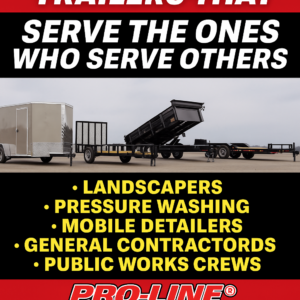
At Pro-Line Trailers inventory, buyers can compare enclosed, utility, dump, equipment, and other work-focused categories in one place. The goal is not just to buy a trailer. It is to buy the trailer that matches the way you actually work.
Dump trailers for cleanup, debris, and material handling
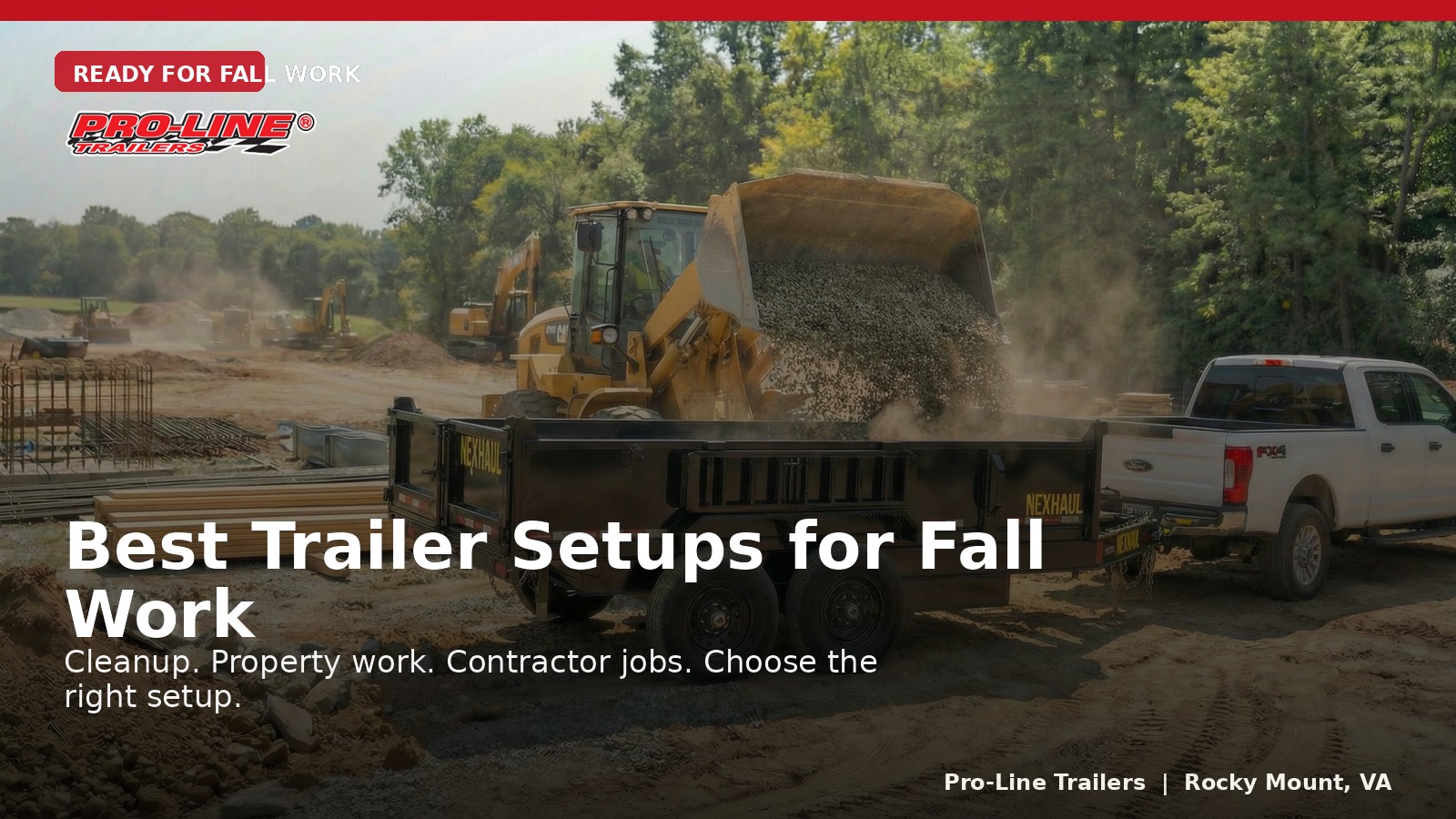
If your fall schedule includes brush, limbs, dirt, gravel, demolition debris, or repeated loading and unloading, a dump trailer can save serious labor. Instead of hand-unloading or improvising a process that slows the crew down, the right dump trailer gives you speed and leverage. Pro-Line’s own article on how dump trailers make hauling work easier reinforces why these units work so well for contractors, landowners, and cleanup-focused operations.
Utility trailers for flexible daily hauling
Many buyers do not need the most specialized trailer. They need the most useful one. Utility trailers make sense when the work changes from one day to the next: mowers today, supplies tomorrow, small equipment on the weekend, and property materials in between. If flexibility matters more than enclosure or hydraulic unloading, a utility trailer often gives the best value-to-use ratio. Pro-Line’s utility trailer buying guide is a strong internal resource to support that decision.
Enclosed trailers for contractors and protected cargo
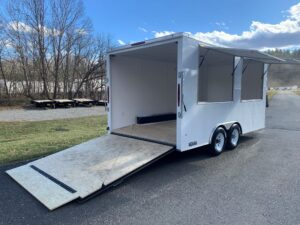
When your trailer is also your mobile storage, enclosed changes the conversation. Roof, wall, and lock protection matter when you carry tools, electrical gear, parts, finishes, ladders, equipment, or supplies that cannot be exposed to weather or left unsecured. Contractors who need organization, cleaner branding, or jobsite security often do better with an enclosed unit plus the right upgrade package. Buyers can learn more from things to know when purchasing an enclosed trailer and review upgrade options on the Pro-Line trailer options and customization page.
Equipment trailers for heavier machines and serious work
If your fall work depends on compact equipment, skid steers, tractors, or heavier machines, payload and loading design matter. This is where an equipment trailer becomes less of a convenience and more of a requirement. Axle setup, deck size, braking, ramp design, and securement all need to match the machine and the job. The FMCSA cargo securement rules are worth reviewing for anyone hauling heavier equipment or commercial loads regularly.
How to choose the right setup faster
Ask these five questions before you buy:
- What is the heaviest thing this trailer must carry?
- Do you need weather protection or open access?
- Will this trailer serve one main purpose or several?
- How often do you load and unload during a normal week?
- Do you need financing, service support, or customization after purchase?
That last question matters. One of Pro-Line’s strengths is not just inventory depth. It is that buyers can also lean on service and repair support, customization options, and financing with approved credit when the purchase needs to fit a real business budget.
Virginia buyers should also pay attention to towing setup, brakes, and connection requirements when matching trailer and load. The Code of Virginia section on connections between vehicles and the Virginia section on brakes on trailers are useful outside references when the job pushes size, weight, or safety demands upward.
If you are trying to line up the right trailer before fall work gets busy, start with current Pro-Line inventory, compare customization options, or contact Pro-Line Trailers to talk through the best fit for your workload.