
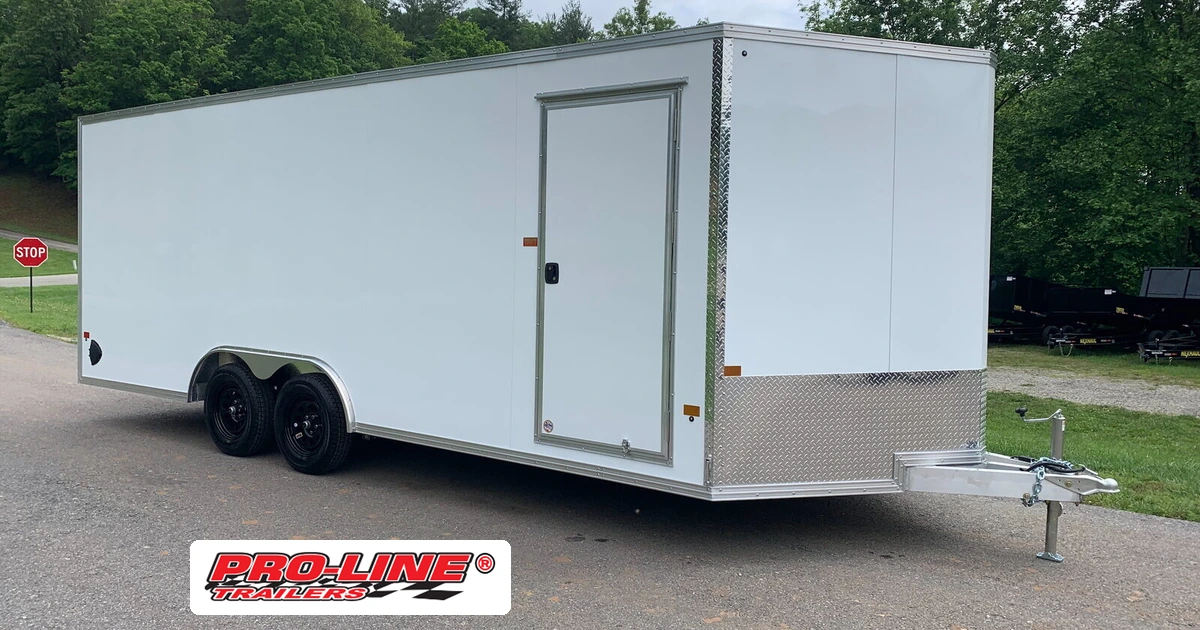
An enclosed trailer can look like it has plenty of room until the equipment, bins, tools, and seasonal supplies are loaded. The better question is not whether everything fits. It is whether you can get to the right item without unloading half the trailer first.
That matters whether you are storing equipment through winter, hauling to jobs around Rocky Mount, or getting ready for next season. Planning before you buy makes similar trailers easier to compare. Start with the loads you actually carry, then build a layout around the tasks you repeat.
Start with a real load list
Write down what travels on a normal trip. Include the big equipment first, then the things that tend to get forgotten: toolboxes, spare wheels, cords, ramps, cases, fuel cans, and small parts bins. If you use the trailer for more than one purpose, make a separate list for each one.
Measure equipment in the condition it travels. A handle, rack, open lid, or mounted accessory can change the space it needs. Record length, width, and height. A quick sketch beside each measurement is often enough to keep the list useful.
If you are still choosing a trailer, compare that list with the actual unit, not just a model name or a photo. The enclosed trailer listings at Pro-Line can give you a starting point for layouts to discuss. Ask for usable interior dimensions and clear opening measurements for the specific trailer you are considering. Advertised overall size does not tell you where wheel boxes, doors, cabinets, or trim take up room.
Draw two versions of the trailer
Most people need more than one layout. One setup may work for winter storage, while another works better when the trailer is in regular use. Draw both on graph paper or in a simple phone or tablet app. Mark the rear opening, side door, wheel boxes, and any shelves or cabinets already in place.
For storage, put the equipment you may need during the winter closest to the door you plan to use. A toolbox that comes out every week should not be trapped behind items that will sit until spring. For a working-day layout, write down the order in which you normally unload. That small detail catches many access problems.
For example, a contractor may be able to fit a large tool chest, stacked cases, and a piece of equipment inside an enclosed trailer. If the cases needed first are behind the equipment, the layout still creates a daily headache. Moving the cases beside the side door may solve the problem without requiring a larger trailer.
This kind of layout planning works especially well alongside the questions in Pro-Line’s guide to choosing a trailer for what you are really hauling. It keeps the conversation focused on your equipment and your routine instead of guessing from an empty floor.
Plan access before adding storage
Shelves and cabinets can make a trailer more organized, but they also take up usable space. Before adding either, name the job it needs to do. Maybe you need to keep small parts together, protect tools, or clear a walkway to a side door. Once the purpose is clear, you can talk through the available space and access path.
For example, a weekend hauler might want a cabinet for straps and hand tools. If that cabinet blocks the only place to stand while unloading a larger item, it solves one problem and creates another. Draw the door swing, aisle, and the equipment that needs to move past it.
If you want help assessing possible additions, Pro-Line’s trailer service department is a practical place to start the conversation. Bring your sketch, a few measurements, and photos of the current interior. That gives the team a clearer picture than saying the trailer feels crowded.
Keep the load secure
A layout should also leave room to secure cargo properly. The National Highway Traffic Safety Administration reminds drivers that cargo needs to be secured so it does not shift or come loose during transport. Review NHTSA’s guidance on how to secure your load as you plan where equipment, cases, and loose items will ride.
The layout drawing is not a substitute for checking the trailer’s ratings, cargo weight, or tow vehicle limits. Those are separate decisions. Pro-Line’s overview of GVWR, payload, and tow rating explains why one number cannot answer the whole match-up.
Bring a useful plan to the conversation
A good layout note does not need to be fancy. It should show what you haul, where it goes, which door you use, and what you need to reach first. Add a second version if winter storage looks different from a normal workday.
That plan can help you make better use of the enclosed trailer you already own or narrow your search for a different one. If you are ready to compare layouts in person, contact Pro-Line Trailers with your load list and a few photos of your current setup.


